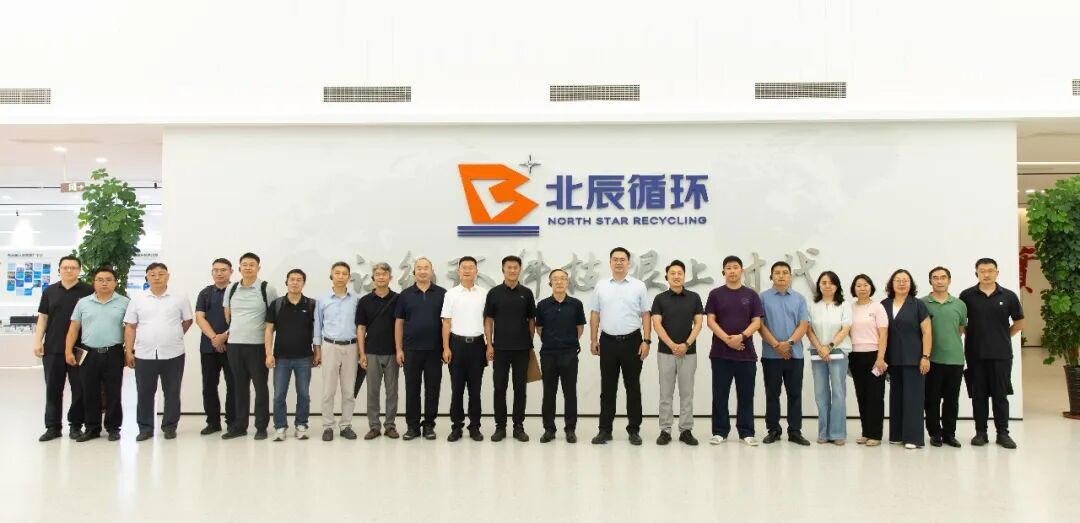


To address the mismatch between supply and demand for skilled talent in the green energy industry and to deepen the effectiveness of industry-education integration and school-enterprise collaborative talent cultivation, the Chengyang District Green Energy Industry Talent Cultivation Symposium was successfully held at North Star Advanced Recycling Technology (Qingdao) Co., Ltd. on June 30. Organized by the Chengyang District Human Resources and Social Security Bureau, the event brought together government agencies, vocational colleges, leading industry enterprises, and skilled experts to explore new ideas and pathways for cultivating talent in the new energy sector.
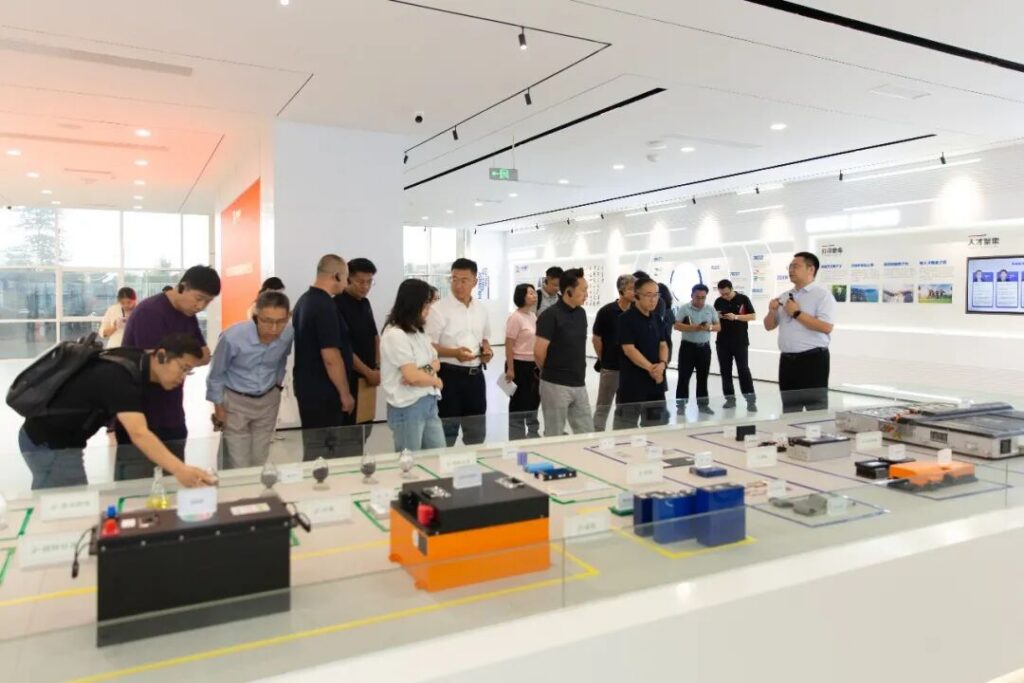
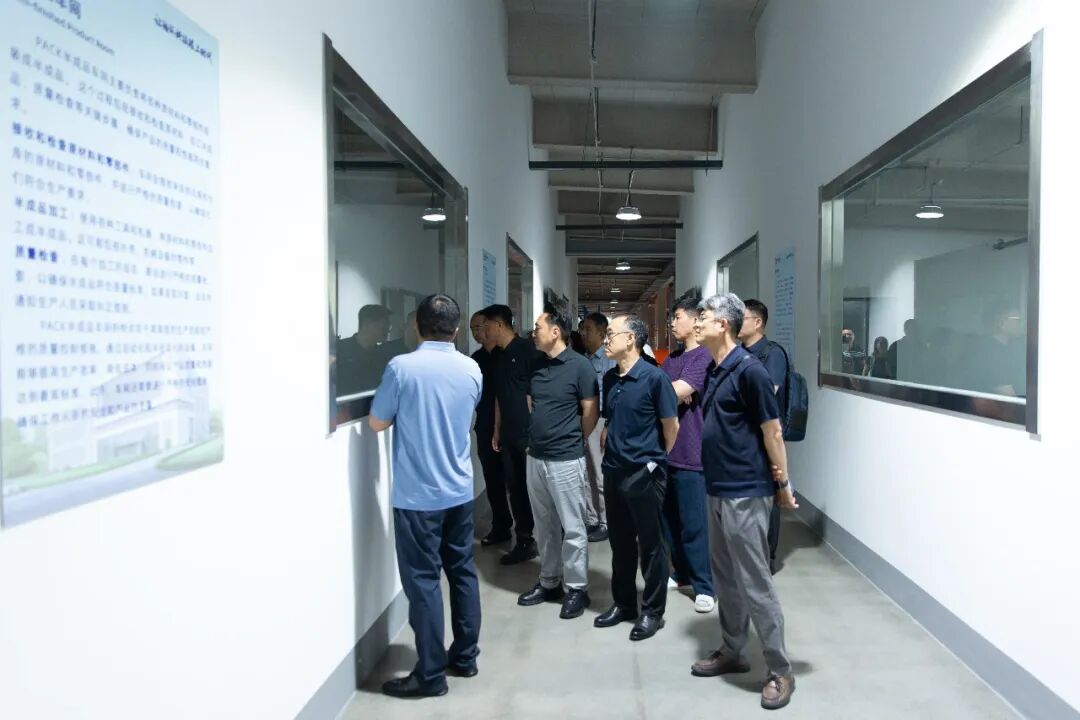
Prior to the symposium, participants took a group site visit to North Star Recycling’s green, low-carbon, digital benchmark factory for retired power battery recycling and its industrial automation laboratory, observing the full process of lithium battery resource recovery up close.
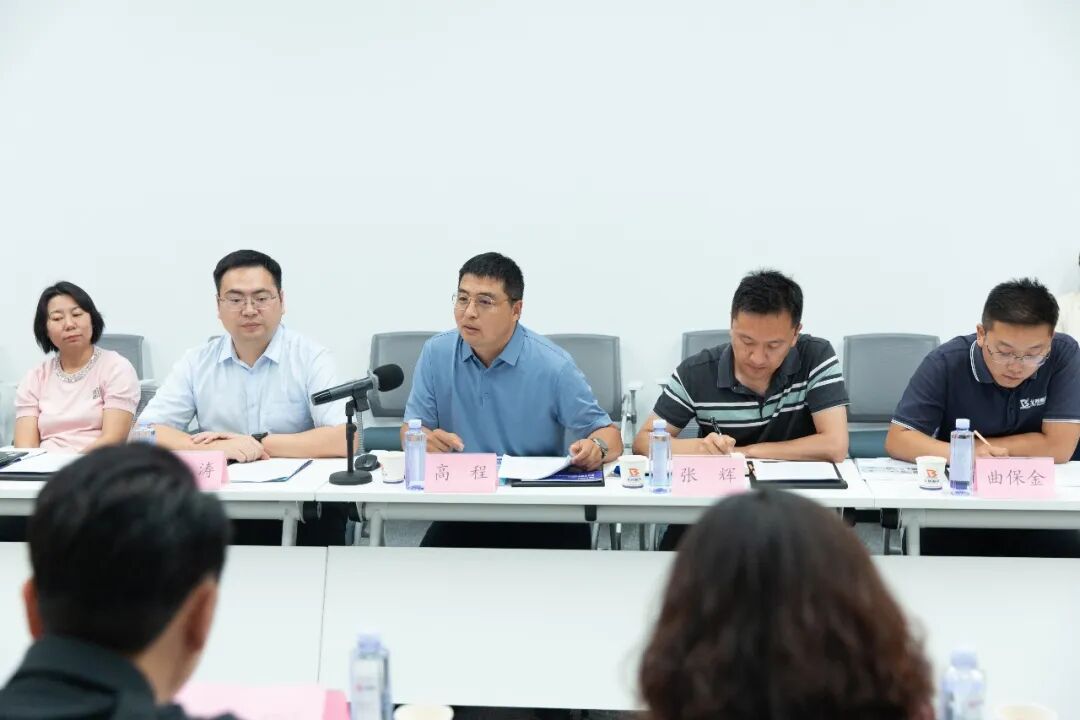
At the symposium, North Star Advanced Recycling Technology (Qingdao) Co., Ltd. and the Siemens Industrial Technology Training Center delivered presentations in turn. During the open discussion session, representatives from the Chengyang District Education and Sports Bureau, multiple vocational colleges in the district, key industry enterprises, and municipal chief skilled-expert representatives took the floor in sequence, speaking freely and sharing their views. College representatives raised concerns about pain points in running their institutions—such as building new-energy-related programs, equipping training facilities, and ensuring quality graduate employment—while enterprise representatives offered new ideas and directions on industry employment standards and the practical exploration of industry-education integration. Skilled experts contributed professional advice on curriculum optimization and hands-on teaching reform from the perspective of rapid industry technology iteration. Drawing on their own realities, all parties identified collaboration bottlenecks, uncovered entry points for cooperation, and generated many pragmatic, feasible joint talent-cultivation solutions.
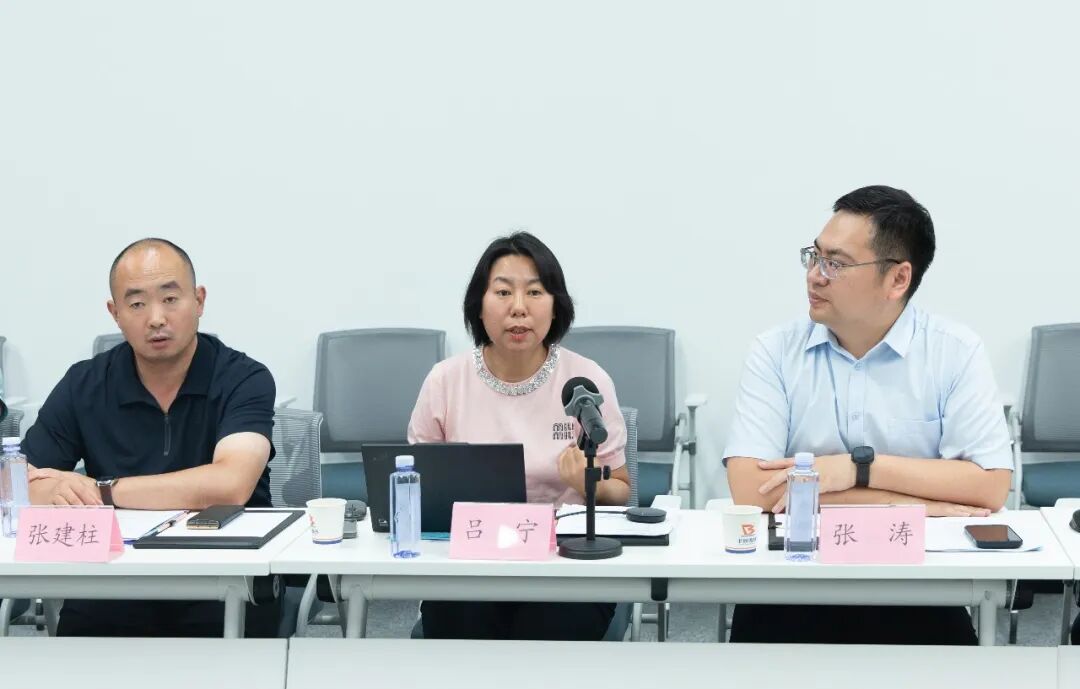
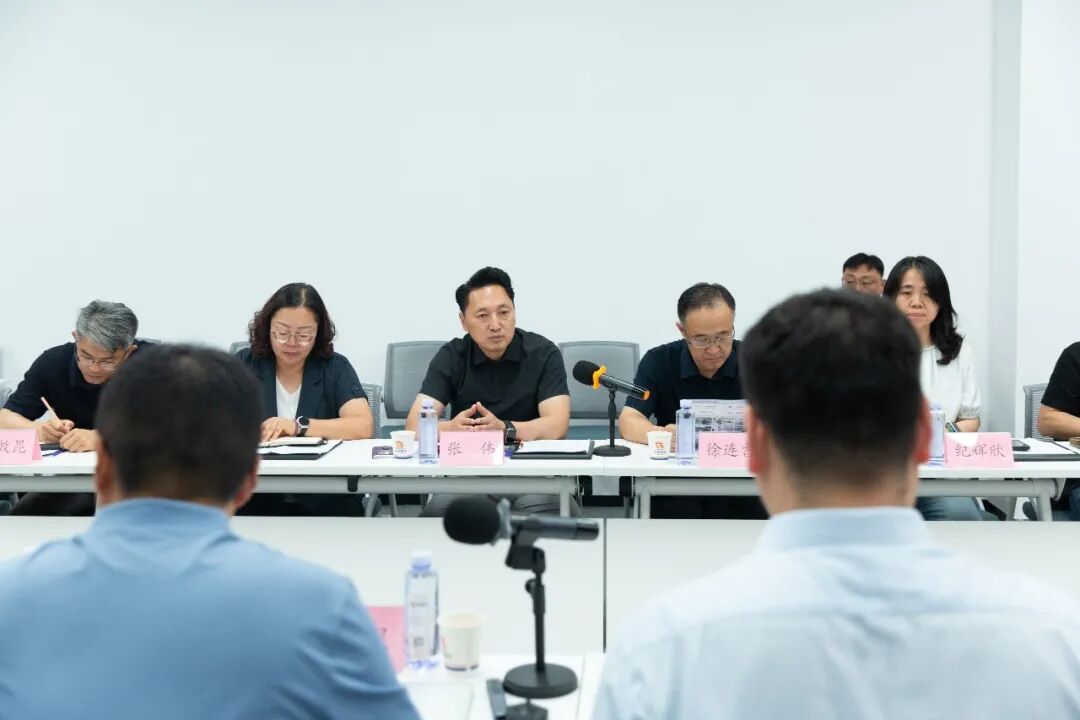
Around the cultivation of skilled talent for the new-energy aftermarket, North Star Recycling has systematically built an intelligent control laboratory, a robotics laboratory, a battery sorting and reassembly laboratory, and a multi-scenario digital-intelligent training platform. Relying on its Qingdao benchmark factory for low-carbon, green retired power battery recycling, the company has realized an industry-education integration model of “the workshop is the classroom, and practice is the teaching,” and is committed to becoming a national benchmark base for new-energy aftermarket talent cultivation, providing solid talent support for the green energy industry in Qingdao and across China.
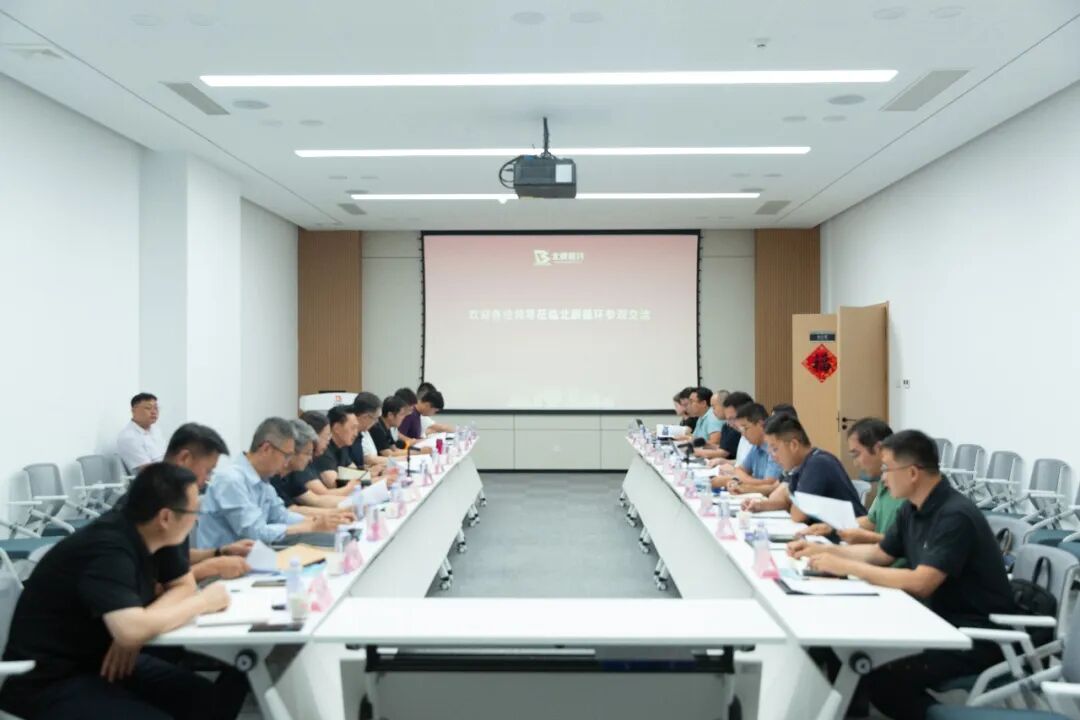
The successful holding of this symposium has effectively built a platform for efficient alignment, resource sharing, and complementary strengths among government, enterprises, and academia, further consolidating the development consensus on jointly cultivating talent and co-building the ecosystem for the green energy industry. Looking ahead, North Star Recycling will take this symposium as an important opportunity, leveraging Chengyang District’s sound talent-support policies and industrial supporting advantages, and giving full play to its demonstrative leading role as an industry flagship enterprise. It will deepen its commitment to the green circular industry and to talent cultivation, continuously advance the deep integration of the talent, industry, education, and innovation chains, empower high-quality enterprise development with a reserve of highly skilled talent, and help the green energy industry in Chengyang District to sustainably expand in quality and scale and to keep upgrading.